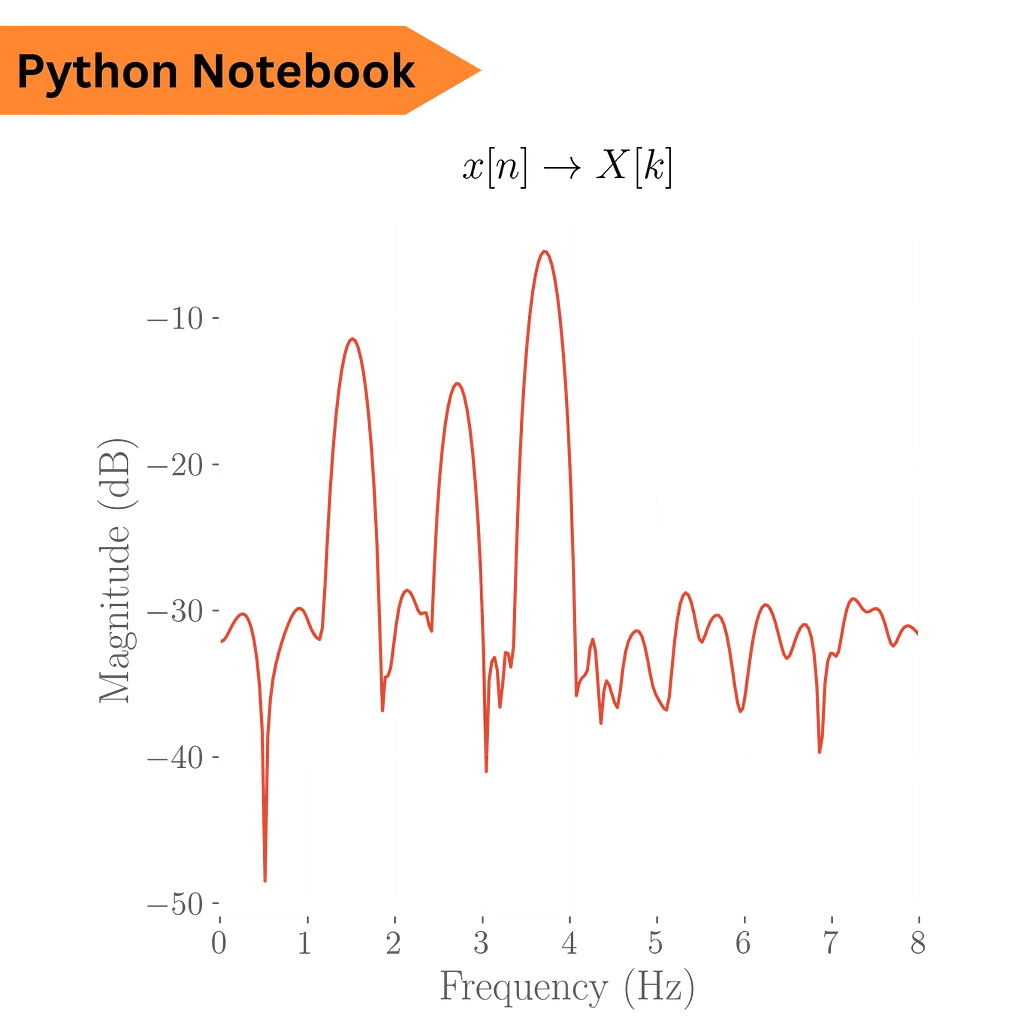
Resources

What Happens When a Radar Wave Hits a Raindrop? (DSD)
A radar image is made up of a ton of pixels. But what are the pixels made of? The video explains some of the physics of how this works using animations, but here we'll use more equations and interactive elements to drive home the concept.
Provided as supplementary material for the video on drop size distribution.
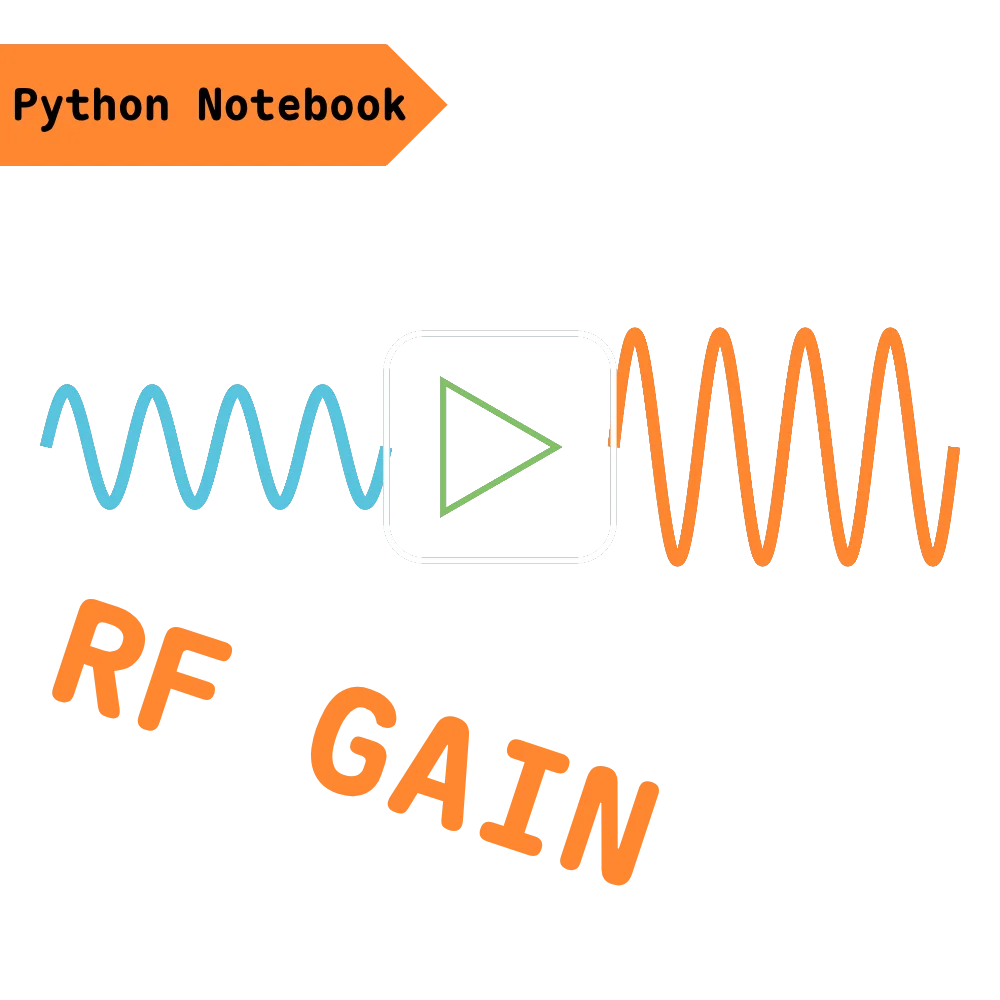
RF Gain
Understanding gain is the key to reading any RF amplifier datasheet. In this video, I break down what gain really means, why datasheets use decibels (dB) instead of linear ratios, and how to interpret frequency-dependent gain plots.
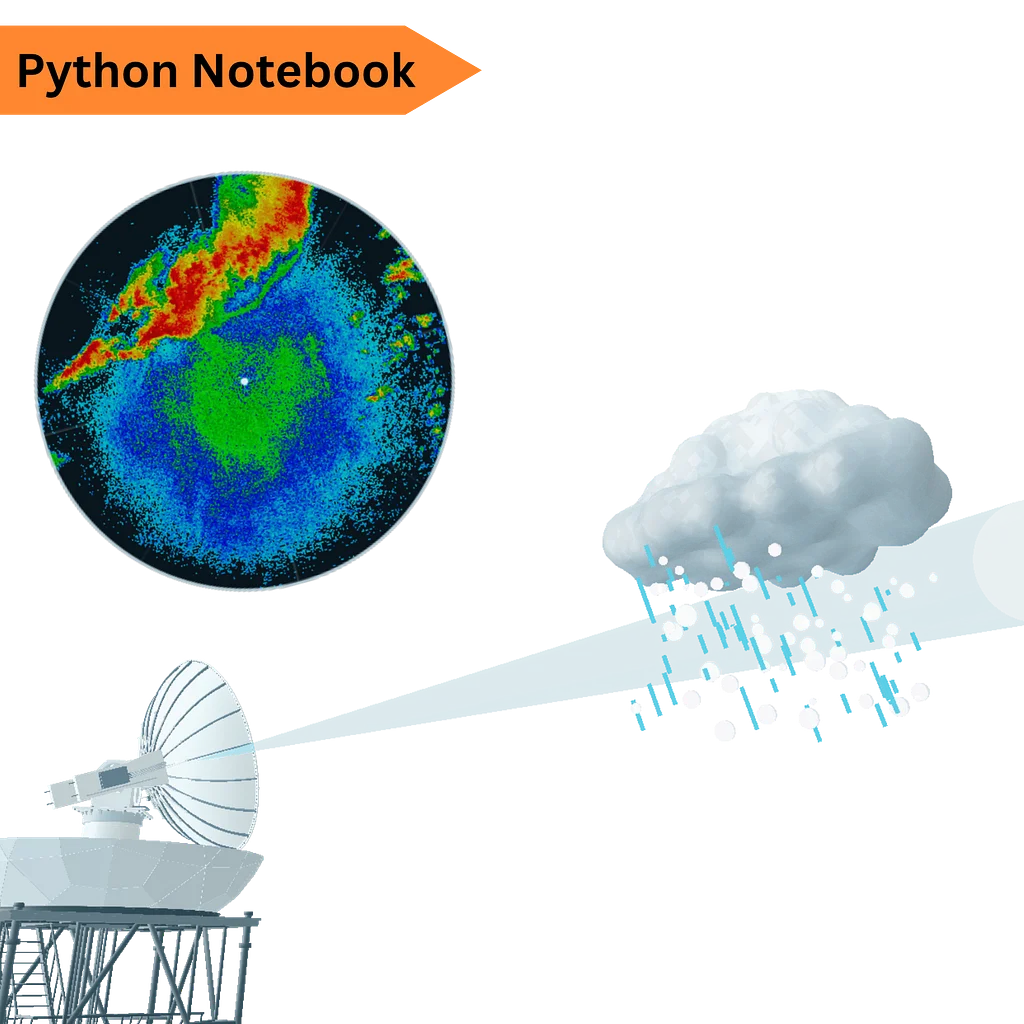
Reflectivity
Reflectivity is one of the most important concepts to understand for interpreting weather radar data, because it's often the first product you'll look at. But, despite it seeming relatively simple, there's a lot going on to get from what the radar's receiver measures, Pr, to the clean product, Z.
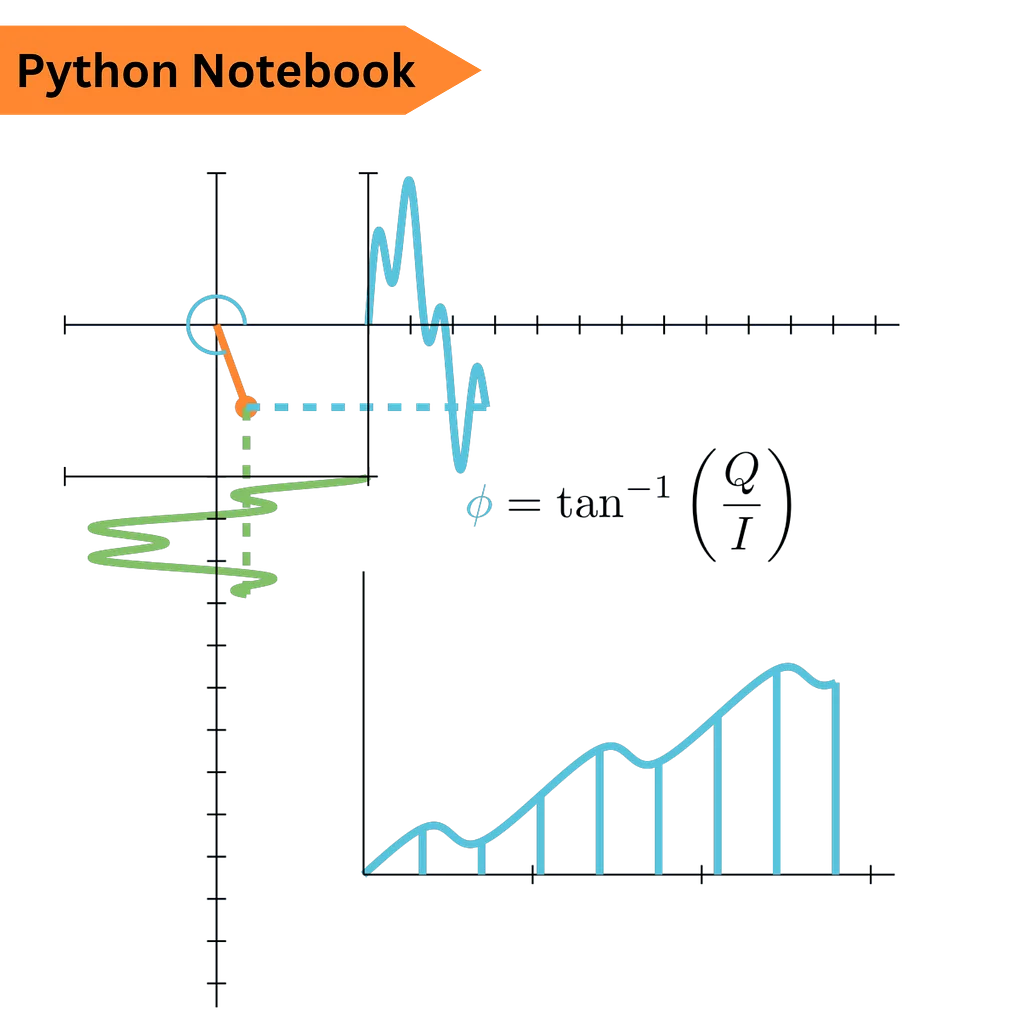
I/Q Sampling
There's a lot of information packed into the magnitude and phase of a received signal... how do we extract it?
In this notebook, I'll go over in-phase and quadrature (I/Q) sampling and how it allows you to extract phase information from a received signal, which is important for applications from radar to communications.
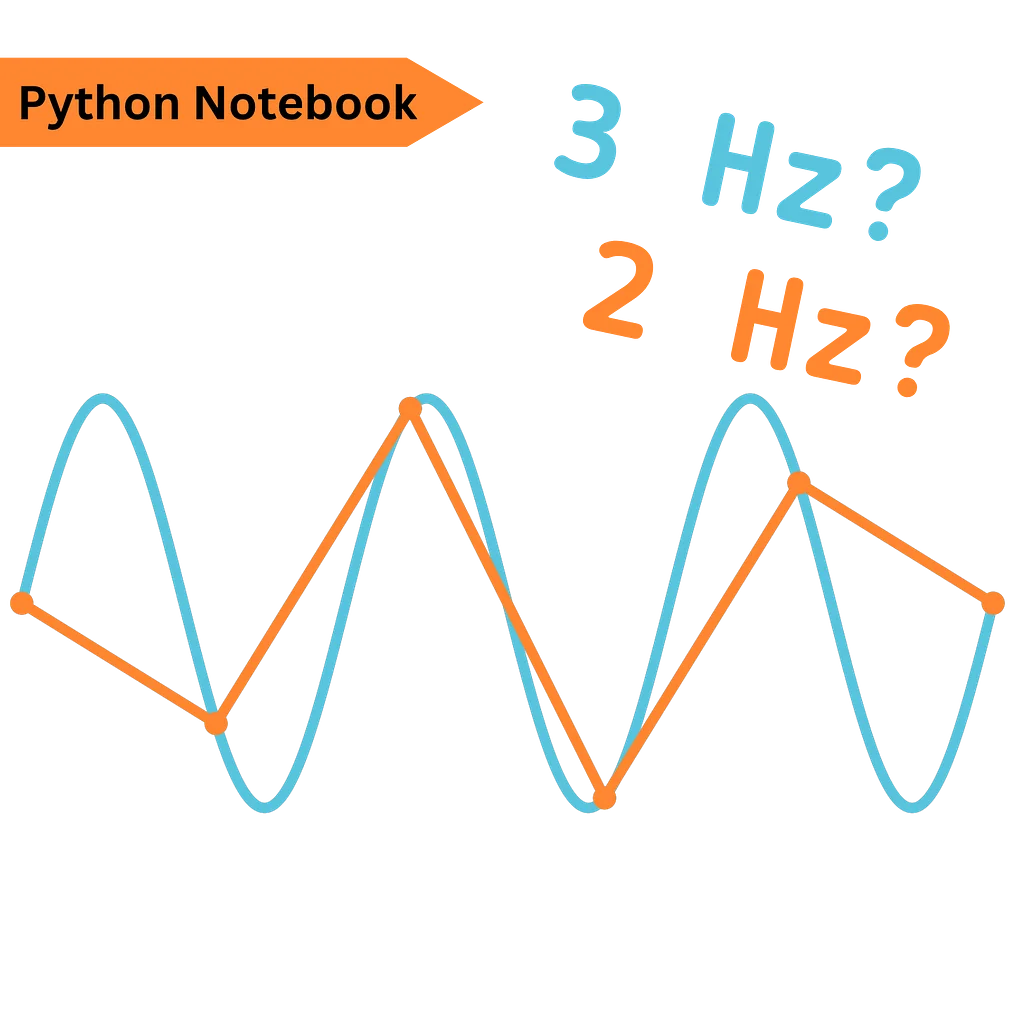
Aliasing in Sampled Systems
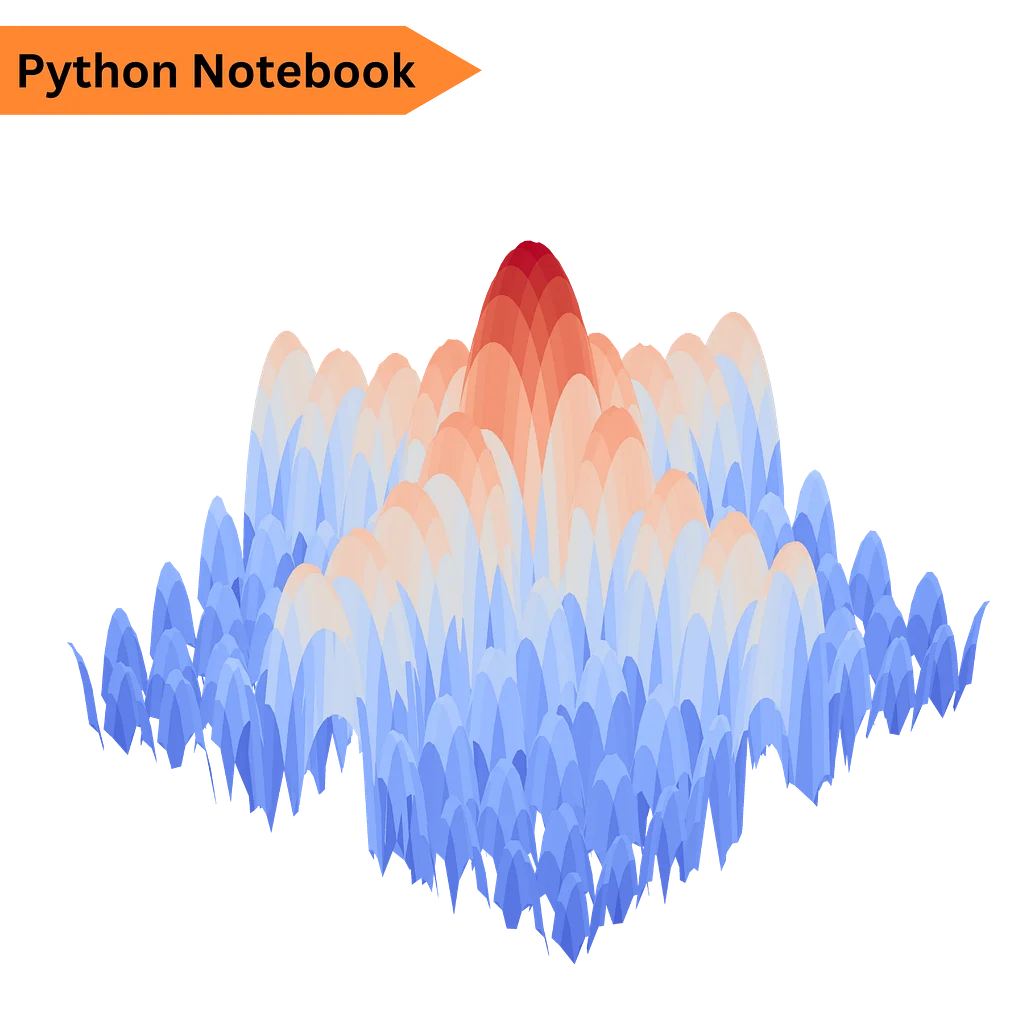
Phased Arrays: Steering and the Antenna Pattern
This notebook lets you play with the concepts discussed in the video.
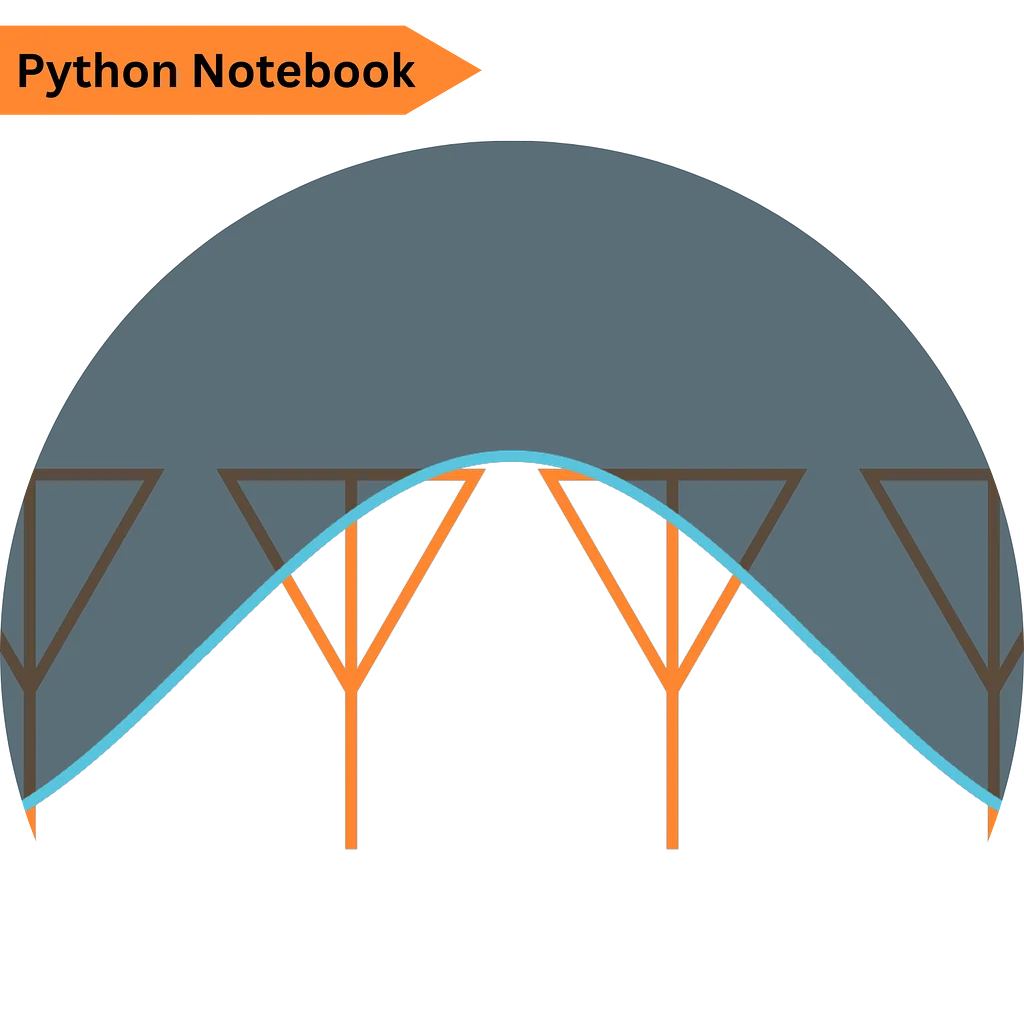
Phased Arrays: Intro to Beamforming (Window Functions / Tapering)
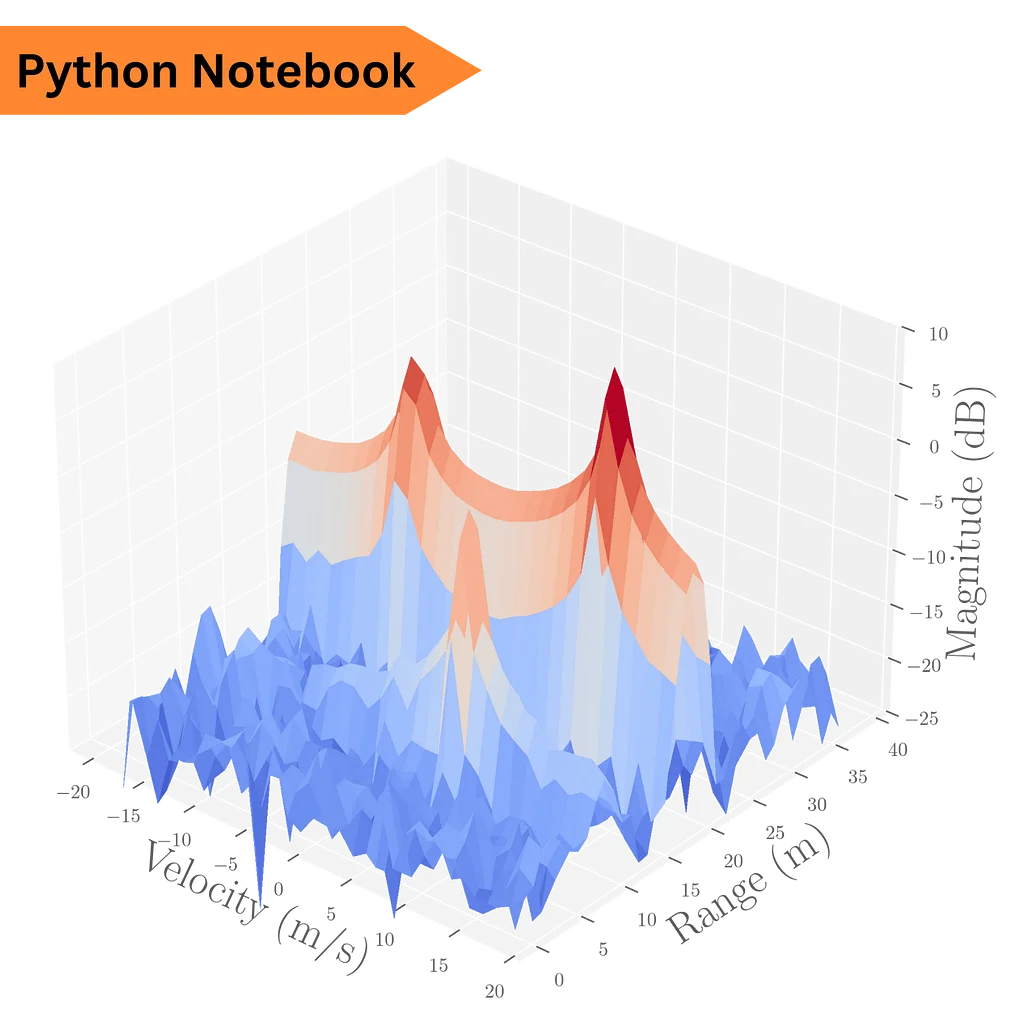
Range-Doppler in FMCW Radar
- How a single target's range and velocity can be obtained using triangular modulation
- Introduction to phase components of reflected LFM signal
- Simulation of range-Doppler spectrum for user-specified (range, velocity) target pairs
- 3D plotting of range-Doppler spectrum
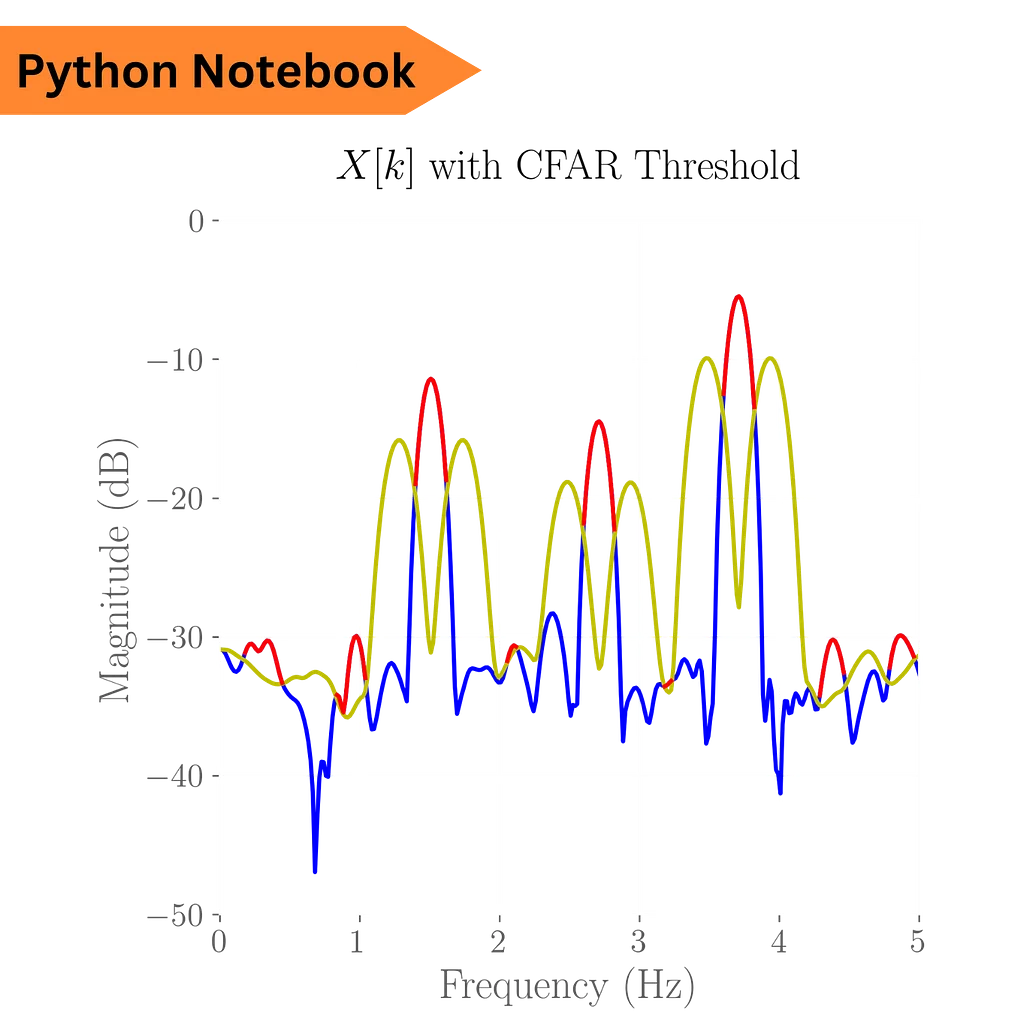
CFAR Detection Algorithm
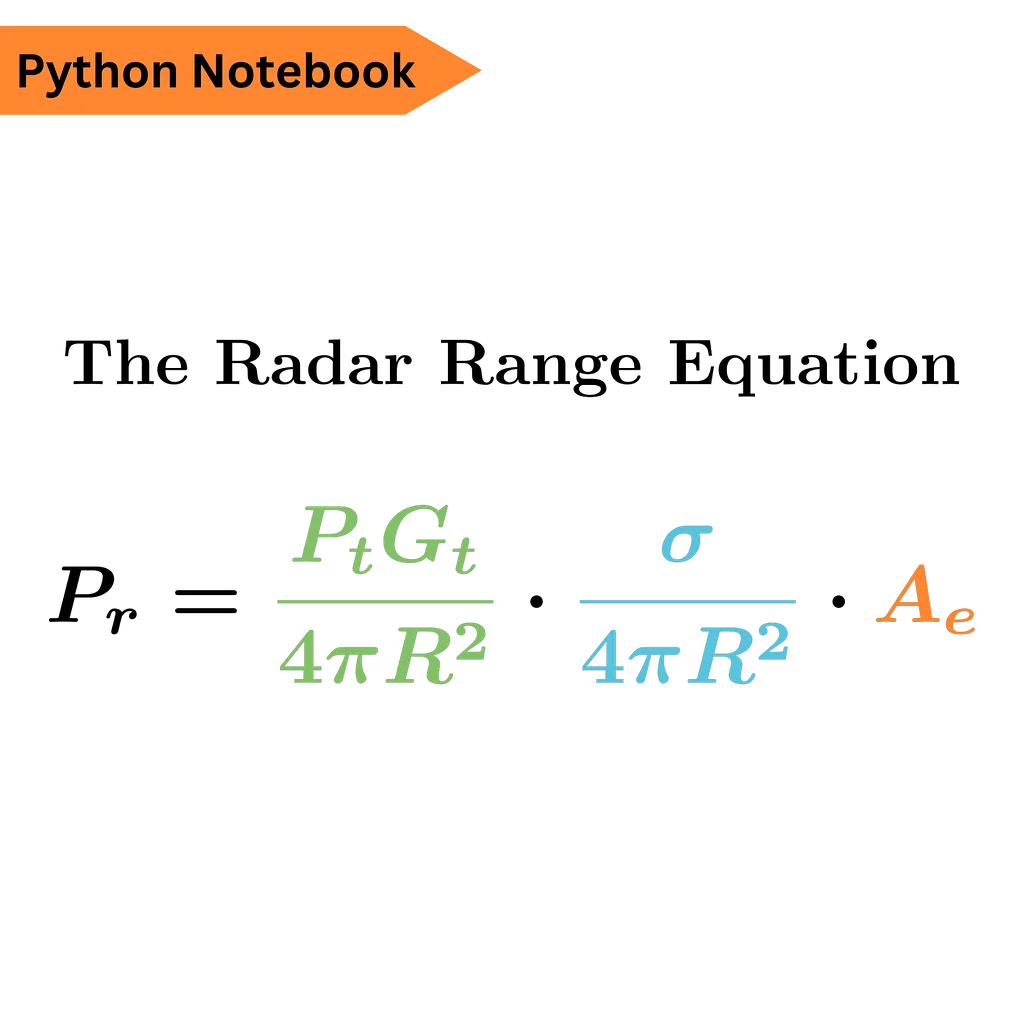
Interactive Radar Cheatsheet